
Signal consistency is crucial for maintaining the credibility and reliability of an entity. It ensures that the information being communicated is uniform across all platforms, reducing the risk of confusion. Consistent signals enhance trust and facilitate better decision-making.
Evaluating the accuracy of a signal involves assessing the precision and correctness of the information conveyed. Accurate signals reflect the true state of an entity and are vital for effective communication. Regular audits and updates are necessary to maintain high accuracy levels.
Signal variability can lead to misunderstandings and misinterpretations. It is important to monitor and control variations to ensure clarity and coherence in messaging. Consistent monitoring practices can help identify and rectify any discrepancies promptly.
Entity stacking SEO is all about making sure your brand's signals are clear and consistent across the web. Think of it like creating a network of connections that tell Google who you are, what you do, and why you matter. When your social profiles, website, and mentions on trusted sites all align, it makes it easier for search engines to validate your brand. For marketers and clients with a bit of SEO know-how, understanding these signals is key to maintaining a strong online presence. Inconsistent signals can confuse search engines, leading to missed opportunities in search visibility.
Start by ensuring your social media profiles are consistent. This means using the same business name, address, and phone number across all platforms. Align your content and branding too. Here’s how:
Mentions on reputable sites contribute to your entity's credibility. These mentions should be accurate and consistent with your brand's information.
A local bakery noticed a dip in search rankings. Upon auditing their online presence, they found inconsistencies in their business name across various directories and social profiles. After updating these details and ensuring their information matched across all platforms, they saw a 20% increase in search visibility and a noticeable uptick in foot traffic. Consistency was key to their improvement.
To know if your entity stacking efforts are paying off, keep an eye on these metrics:
Entity stacking SEO means building consistent entity signals. This involves creating and managing elements like social profiles and trusted mentions. These signals help Google clearly understand and validate a brand. For non-technical marketers, this might sound complex, but it’s crucial. Think of it as making sure every online mention of your brand tells the same story. When Google sees consistency, it’s more likely to trust and promote your brand in search results. This is why understanding and implementing entity stacking SEO is essential.
Entity signals are the breadcrumbs that lead search engines to understand your brand. They include your website, social media profiles, and mentions on authoritative sites. The goal is to make these signals consistent and clear. Let’s break it down:
Consider a local bakery aiming to boost its online presence. They started by updating their website and social media with consistent branding. They engaged with local food bloggers for mentions. Within months, their online search visibility improved, and foot traffic increased. This shows the power of consistent entity signals.
Wondering how to know if your efforts are paying off? Track these metrics:
By focusing on these aspects, you can see how well your entity stacking SEO strategy is working.
Data consistency refers to maintaining uniform information across various platforms and sources. When a brand's name, address, and phone number are consistent everywhere, it helps search engines verify the entity's authenticity. Inconsistent data can confuse search engines and lead to misinterpretation of the entity signals. Ensuring that all data matches across directories, social media, and websites is crucial for building trust with both users and search engines. This consistency aids in establishing a clear and reliable online presence.
Profile completeness involves filling out all available fields on social media and directory listings. A complete profile provides more data points for search engines to understand the entity better. It includes adding logos, descriptions, and contact information, which collectively enhance the entity's digital footprint. Search engines favor businesses that provide comprehensive information, as it suggests transparency and credibility. Therefore, ensuring profiles are fully fleshed out can significantly improve entity signal consistency.
Brand mentions are references to a business or brand name across the internet, even without a direct link. These mentions help search engines associate the brand with specific topics or industries. By securing mentions on reputable websites and in relevant contexts, brands can strengthen their entity signals. It's important to track these mentions to ensure they reflect the brand accurately and contribute positively to its online reputation. Effective brand mentions can bolster a brand's authority and trustworthiness.
Social engagement refers to interactions such as likes, shares, and comments on social media platforms. High engagement levels indicate that the content resonates with the audience, which can enhance the entity's perceived relevance. Search engines take into account social signals as part of their ranking algorithms, making active engagement a key component of entity signal consistency. Encouraging user interaction through engaging content can amplify the brand's reach and visibility online.
Trust signals are elements that contribute to a brand's credibility, such as customer reviews and testimonials. Positive reviews across multiple platforms can reinforce the entity's reliability and quality. Search engines view these trust signals as indicators of a brand's reputation, impacting its ranking in search results. Actively managing and responding to reviews can help maintain a positive image and strengthen the entity's overall signal consistency. Building trust through authentic customer feedback is essential for long-term success.
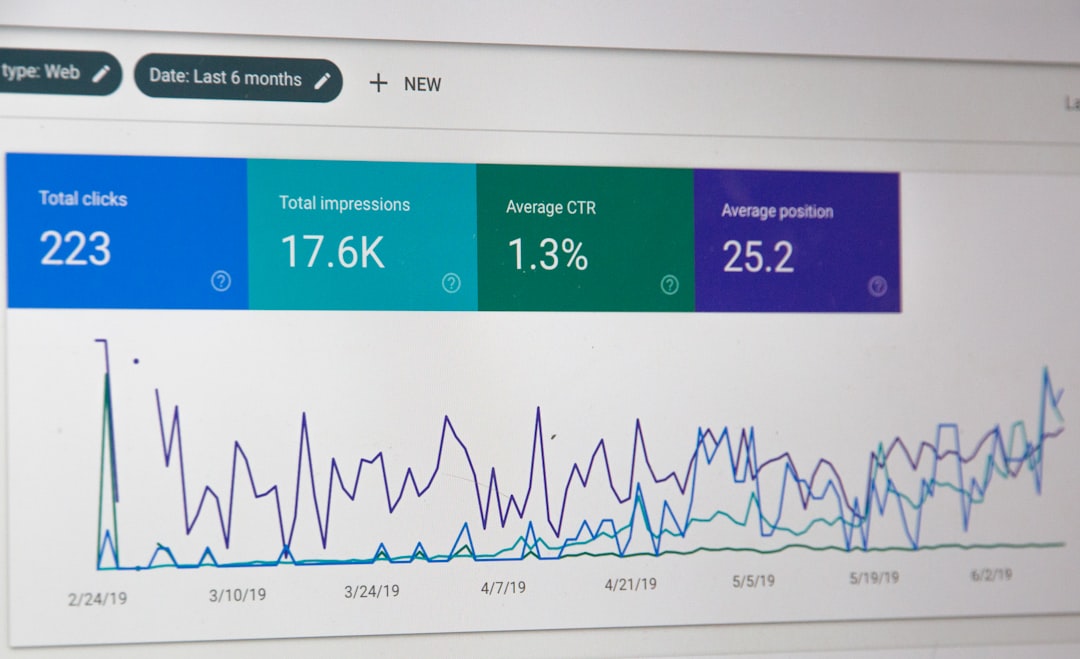
Entity stacking SEO is key to helping Google understand and validate your brand. This involves creating consistent entity signals through social profiles and trusted mentions. For clients and marketers familiar with SEO, think of it as building a solid online reputation that Google can easily recognize. Consistency in these signals ensures your brand stands out, making it easier for search engines to connect the dots. It's like having a clear, strong voice in a crowded room—Google notices, and so do potential customers.
Consider a local bakery that gets featured in a well-known food blog. This mention acts as a vote of confidence, signaling to search engines that the bakery is a credible entity in its niche. Such mentions can lead to higher visibility in search results.
How do you know if your efforts in building consistent entity signals are working? Look at these metrics:
Avoid these mistakes to maintain strong entity signals:
Entity signals are the digital breadcrumbs that tell search engines who you are. These include your social media profiles, business listings, and mentions across the web. Each piece should align with your brand’s identity to maintain a coherent story. Think of them as puzzle pieces that fit together to form a complete picture of your brand.
Your social profiles are pivotal in establishing entity signals. They are often the first touchpoints for potential customers and search engines alike. Consistent and active profiles can boost your credibility and visibility.
Mentions from reputable sources can significantly enhance your entity signals. These are like endorsements that tell Google your brand is trustworthy. The more consistent and positive these mentions, the better your brand's online reputation.


Entity stacking SEO means building consistent entity signals—like social profiles and trusted mentions—so Google can clearly understand and validate a brand. This concept is crucial for clients and non-technical marketers with basic SEO familiarity who need clear, jargon-free explanations. When your brand's online presence is consistent across various platforms, it signals to search engines that your brand is trustworthy and authoritative. Consistency in your entity signals can lead to better visibility in search results, making it easier for potential customers to find and trust your brand.
Consistency starts with a unified brand presence. Ensure that your brand name, logo, and messaging are the same across all platforms. This includes your website, social media profiles, and any third-party mentions.
Brand X noticed a drop in search rankings. https://www.tumblr.com/jespernissenseo/809184612583636992/entity-stacking-seo-how-to-make-sure-you-have-a . Upon auditing their online presence, they found outdated logos on their social media profiles. After updating these and ensuring consistent messaging, their rankings improved within a month.
Social profiles are a key component of entity stacking SEO. They serve as trusted mentions and help establish your brand's credibility.
Trusted mentions and backlinks from authoritative sites strengthen your entity signals. They act as endorsements of your brand's credibility.
Identify industry-related websites and blogs where you can contribute content or be mentioned. Building relationships with these sites can lead to valuable backlinks.
To know if your entity stacking efforts are working, monitor these metrics:
By keeping a close eye on these indicators, you can refine your strategy and continue to build strong, consistent entity signals that boost your brand's online presence.
Entity stacking SEO is all about creating consistent signals that help Google recognize and validate your brand. Think of it as building a coherent story across the web. This involves using social profiles and trusted mentions to create a clear picture of what your brand is about. For clients and non-technical marketers, understanding this concept is crucial. It’s not just about having a presence online; it's about ensuring that presence is uniform and reliable. When Google can easily identify and understand your brand, it’s more likely to display your content to the right audience. This means better visibility and potentially more business.
Trusted mentions are references to your brand on reputable websites. They act as endorsements and help Google verify your brand’s credibility. Aim for mentions in industry-related publications or well-known blogs. These mentions should reflect your brand values and offerings accurately.
Imagine a local bakery aiming to enhance its online presence. By ensuring its name, address, and phone number are consistent across Yelp, Google My Business, and its website, the bakery strengthens its entity signals. Furthermore, mentions in local food blogs and social media platforms with consistent branding help Google recognize the bakery as a legitimate business, boosting its local search rankings.
To know if your efforts are working, track search visibility and engagement metrics. Monitor your website’s traffic sources, and see if there’s an increase in visitors from search engines. Engagement on social media, like comments and shares, can also indicate stronger brand recognition. Use these metrics to adjust and refine your strategy for even better results.
Entity stacking SEO means building consistent entity signals—like social profiles and trusted mentions—so Google can clearly understand and validate a brand. This approach is vital for clients and non-technical marketers who seek simplicity in SEO strategies. Consistent signals help search engines recognize and rank your brand accurately. It's not just about having a presence but ensuring that all brand mentions and profiles tell the same story. This consistency builds trust with search engines and, in turn, with your audience.
Entity stacking SEO focuses on creating a network of trustworthy signals that search engines can easily recognize. This involves maintaining up-to-date social media profiles and getting mentions from reputable sources. These efforts help Google verify your brand's legitimacy.
Consider a local bakery that struggled with online visibility. By focusing on building consistent entity signals through social media and trusted mentions, they saw a 30% increase in local search traffic. This consistency helped search engines and customers alike recognize their brand more reliably.
Success in entity stacking SEO can be gauged through several key metrics. Look for an increase in brand search volume, improved search engine rankings, and a rise in organic site traffic. Consistent brand signals typically correlate with these positive outcomes.
Identifying Key Metrics for Evaluating Entity Stacking Success
Entity stacking SEO means building consistent entity signals—like social profiles and trusted mentions—so Google can clearly understand and validate a brand. It’s like making sure your digital footprint is neat and recognizable. For clients and marketers with basic SEO familiarity, understanding this ensures that your brand's online presence is cohesive and trustworthy. When Google sees consistent signals, it’s more likely to trust and rank your brand higher. This is crucial for standing out and ensuring that your brand appears reliable and authoritative in search results.
Think of social profiles as your brand’s public face. Consistent information across platforms strengthens your entity signals. Here’s how to ensure consistency:
Take a local coffee shop, Brewed Bliss. They use the same logo and tagline across Instagram, Facebook, and Twitter. Their posts share a similar friendly tone, and they ensure their contact info is identical on all platforms. This consistency helps Google and customers recognize Brewed Bliss as a cohesive brand.
Mentions from reputable sources act as endorsements for your brand. These can be from news sites, industry blogs, or other authoritative platforms.
NAP consistency is crucial for local SEO and ensuring that your business is easily found and recognized.
How do you know if your entity signals are working? Look at these metrics:
Entity stacking SEO involves creating a web of consistent signals that help search engines like Google understand and validate your brand. This isn't just about having a website; it’s about ensuring your brand’s presence is coherent across various platforms, such as social media profiles and reputable mentions. For clients and non-technical marketers, this means presenting a unified brand image that Google can easily recognize and trust. Done right, it can significantly impact your visibility and credibility online.
When other sites mention your brand, it boosts your credibility. Trusted mentions serve as endorsements that strengthen your entity signals.
A local bakery gained recognition by being featured in a well-known food blog. This mention, coupled with consistent social media activity, increased their visibility and customer base. The bakery’s unified online presence made it easier for Google to recognize them as a credible entity.
To know if your efforts are working, focus on these metrics:
Inconsistencies can dilute your brand's online presence. Avoid these mistakes: